Rapid Prototyping

Initial designs are generally not perfect or even unusable. Once the direct production is defective, it will be completely scrapped, which was a great waste of resources and time. Prototype starts with a small number of samples, the production cycle is short and with low cost, help you find out the deficiencies of product design and improve it quickly, and provide sufficient basis for mass production.

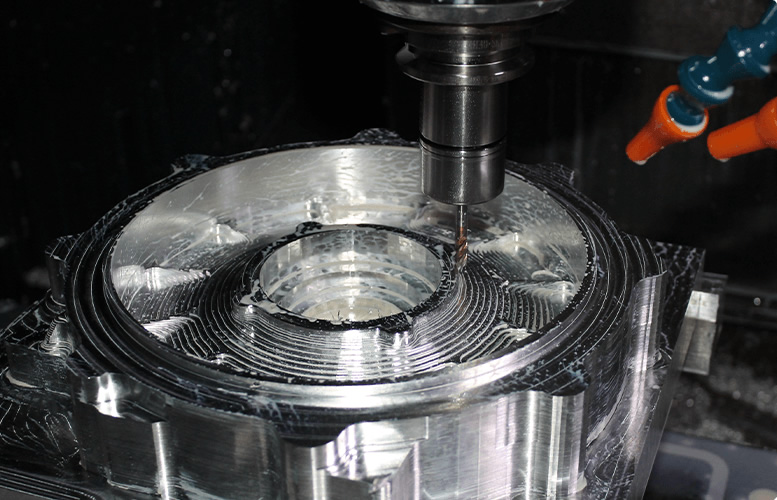
Rapid prototyping is processed according to the design drawings, which can completely show every detail of the design, so as to verify the feasibility of the design and find the defects in the design in time. Through continuous verification, the product tends to be perfect. Rapid prototyping is not a separate process, but consists of one or more processing processes, such as cnc processing, 3D printing, sheet metal prototype, and more.

Topfire has more than 16 years of rapid prototyping experience, cooperated with more than 50 international well-known enterprises, completed more than 30,000 projects and manufactured 400,000+ prototypes, with rich experience in prototype manufacturing, Topfire is a prototype expert you can always trust.

20

20

20 years of rapid prototyping experience

50+

50+

Cooperation with more than 50 foreign companies

30000

30000

Over 30,000 projects completed

400000+

400000+

Manufactured 400,000+ prototypes

Rapid Prototyping Services

3D Printing

Our professional 3D printing service offers SLA (for high-detail resin parts), SLS (for durable nylon components), and other advanced additive technologies. We transform your digital designs into precise prototypes and end-use parts using industrial-grade plastics, metals, and resins - delivering complex geometries, customization, and faster turnaround than traditional manufacturing.

CNC Machining

Our CNC machining service delivers precision metal & plastic parts with tight tolerances (±0.01mm). Utilizing advanced 4/5-axis milling and turning, we produce functional prototypes, molds, and end-use components from your CAD files. Ideal for high-strength applications requiring superior surface finishes.

Rapid Injection Molding

Our rapid injection molding service produces 50-10,000+ prototype & production parts in 5-15 days. Using aluminum molds and engineering-grade plastics, we bridge prototyping to mass production with cost-effective, high-tolerance components at speeds 5x faster than traditional tooling.

Sheet Metal Fabrication

Our sheet metal fabrication service delivers precision-cut, bent, and assembled metal parts from prototypes to high-volume production. Using laser cutting, CNC punching, and advanced welding techniques, we work with aluminum, steel, and stainless steel to meet tight tolerances for enclosures, brackets, and structural components.

Advantage of Topfire In Rapid Prototyping

Rapid Prototyping Service

16 Years of Experience In Prototype

Multi-process combination, one-stop prototype and product processing services, customer satisfaction has reached more than 98% for 16 consecutive years

Rapid Prototyping Service

Diversified Material Selection

ABS, PC, PP, PMMA, POM, PET, PA, PPS, PEEK, PEI, PAI, PBT, PTFE, etc.; Aluminum alloy series, magnesium alloy, stainless steel, ADC aluminum, copper, titanium alloy, steel, etc. Topfire is committed to meeting customers' needs for new materials in product development.

Rapid Prototyping Service

Various Surface Treatment Options

Anodizing, Deburring, Grinding, Polishing, Sandblasting, Hard Anodizing, Electroplating, Black Oxide, Drawing, Silk Screen, Laser Engraving, Spraying, Powder Spraying, Chromate, Heat Treatment, Passivation, etc.

Rapid Prototyping Service

First-class Service

Provide micro-design services, one-to-one professional after-sales, respond quickly and solve product problems.

Advantages of Rapid Prototyping

What can Topfire provide you and your
business with our rapid prototyping service?

There Are Some Examples

  • Show your customers and investors your real product, not just design.
  • Test the market before mass production.
  • Save your money and time by improving your design with prototype.
  • Make minor adjustments to the product to meet different customers’ needs.
Rapid Prototyping Service

Materials We Can Use

ABS

It is a thermoplastic polymer structural material with high strength, good toughness and easy processing. It is also a low-cost engineering plastic with good processing performance, strong mechanical properties, and a wide range of applications, making it an excellent choice for production parts.

ABS

PC

Polycarbonate, referred to as PC engineering plastics, an amorphous thermoplastic resin with excellent comprehensive properties, an engineering plastic with excellent electrical insulation, ductility, dimensional stability and chemical resistance, high strength and weather resistance.

PC

Nylon

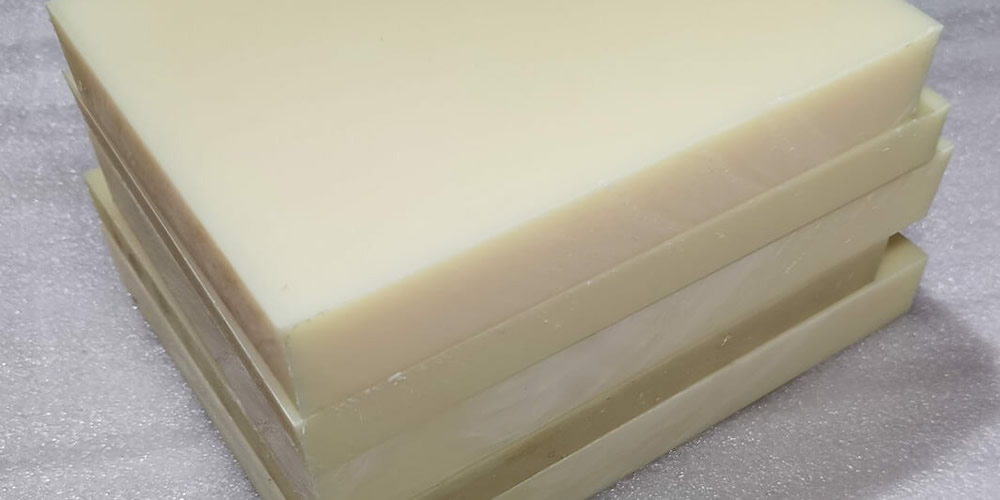
Nylon(PA). Also known as polyamide It is the most important engineering plastic, covering almost every application field, widely used in chemical machinery, anti-corrosion equipment gear and parts blanks, transmission structural parts, household appliance parts, auto parts, etc.

Nylon

PMMA

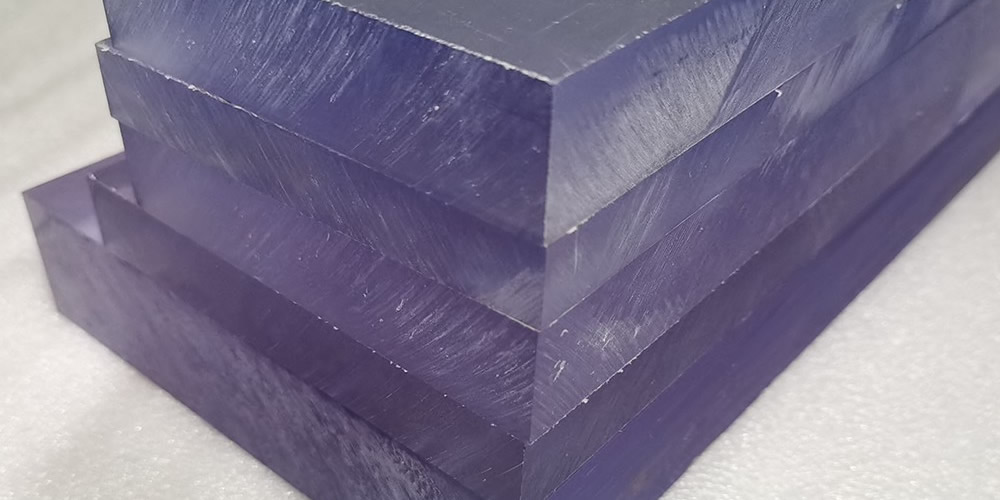
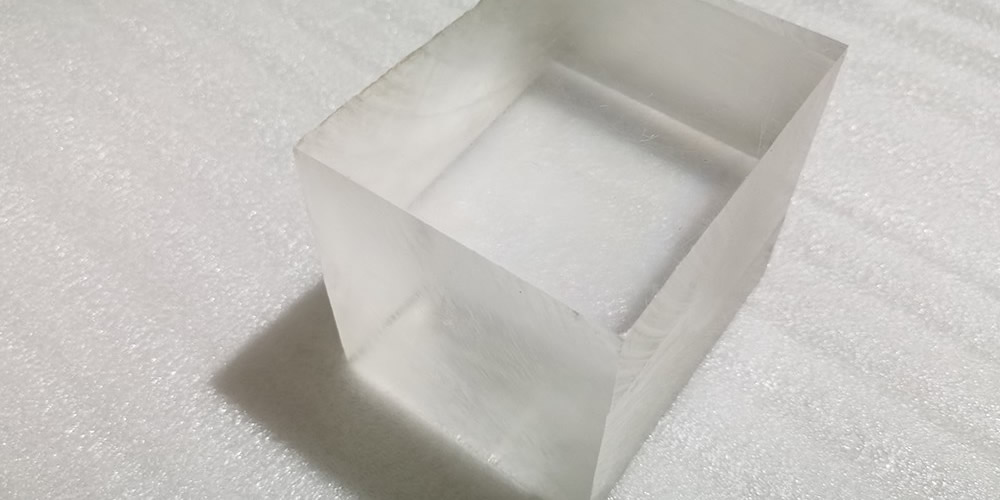
PMMA:(polymethyl methacrylate)Also known as acrylic It has the characteristics of good transparency, chemical stability and weather resistance, easy dyeing, easy processing, good plasticity and beautiful appearance. It is widely used in medical, industry, automobile and other fields. However, its thin-walled areas are fragile during machining, so it is not recommended for delicate or complex geometries.

PMMA

POM

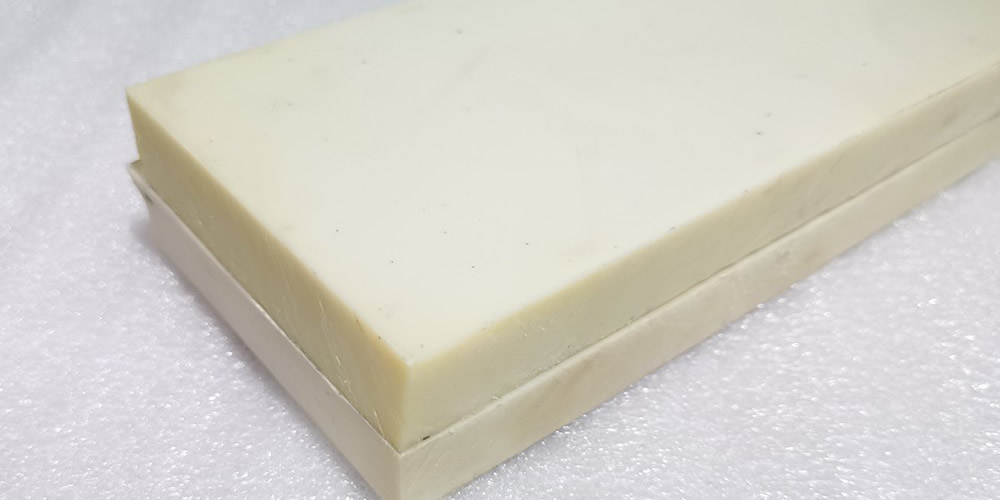
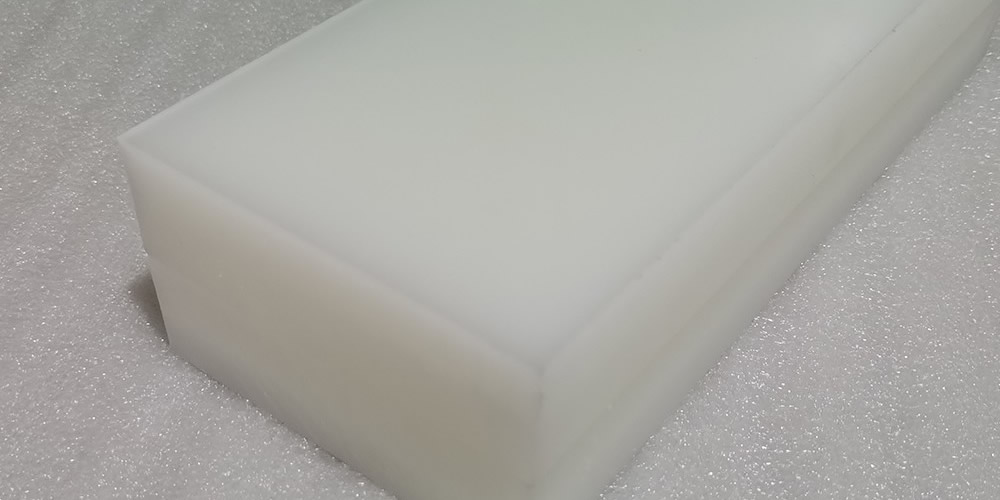
POM (polyformaldehyde) is an engineering plastic with high hardness, high rigidity and high wear resistance. It has good surface hardness and compactness, and is suitable for gears, bearings, auto parts, machine tools, instrument internals and other products that play a skeleton role.

POM

PEEK

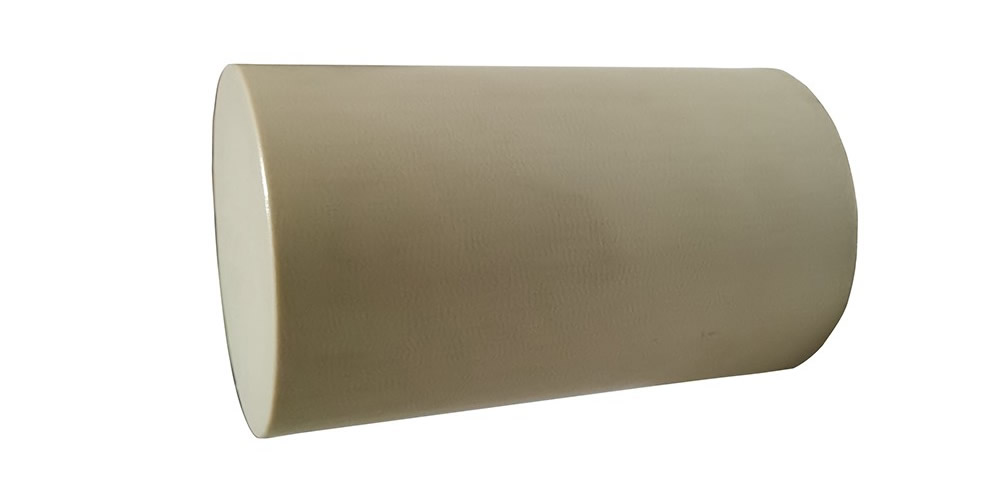
PEEK (poly-ether-ether-ketones) is a high-performance specialty engineering plastic that is an excellent lightweight alternative to most soft metals. It has excellent mechanical properties, good self-lubrication, chemical resistance, and good wear resistance. Commonly used in aerospace, automobile manufacturing, electrical and electronic, medical, and other fields.

PEEK

PP

It is one of the lightest varieties of all plastics at present; it has the characteristics of high heat resistance, good mechanical properties, environmental protection and non-toxicity. It is suitable for making general mechanical parts, corrosion-resistant parts and insulating parts.

PP

PTFE

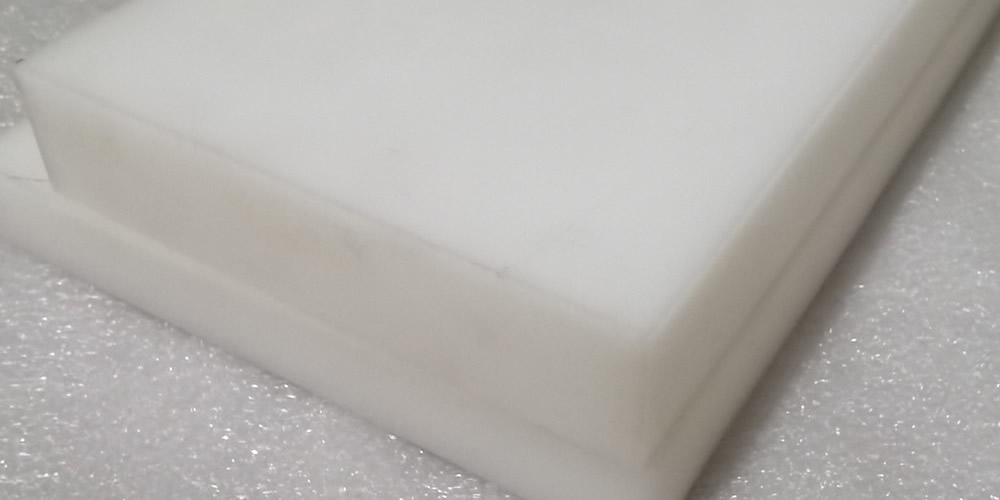
Commonly known as "Plastic King", it has excellent properties such as high and low temperature resistance, chemical corrosion resistance, small friction coefficient, self-lubrication and non-stickiness. Widely used in aerospace, electronics, electrical, chemical, machinery and other industries.

PTFE

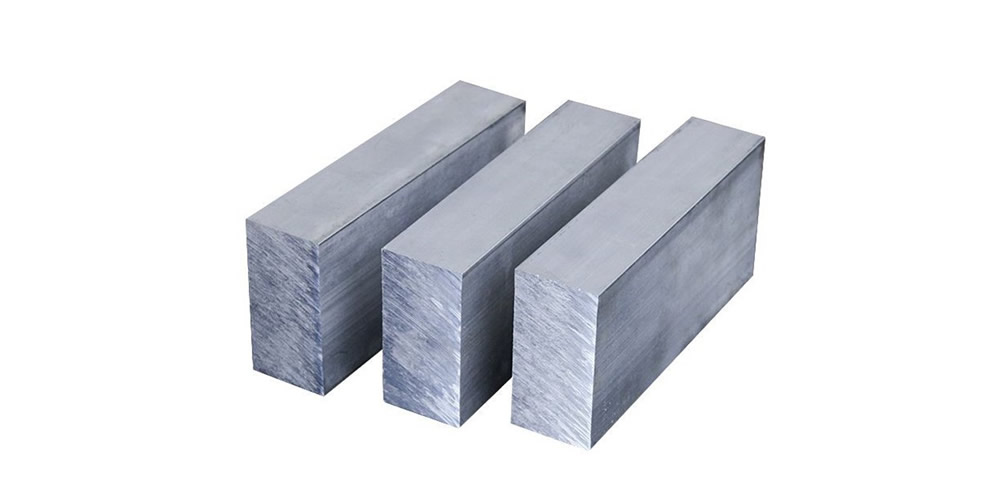
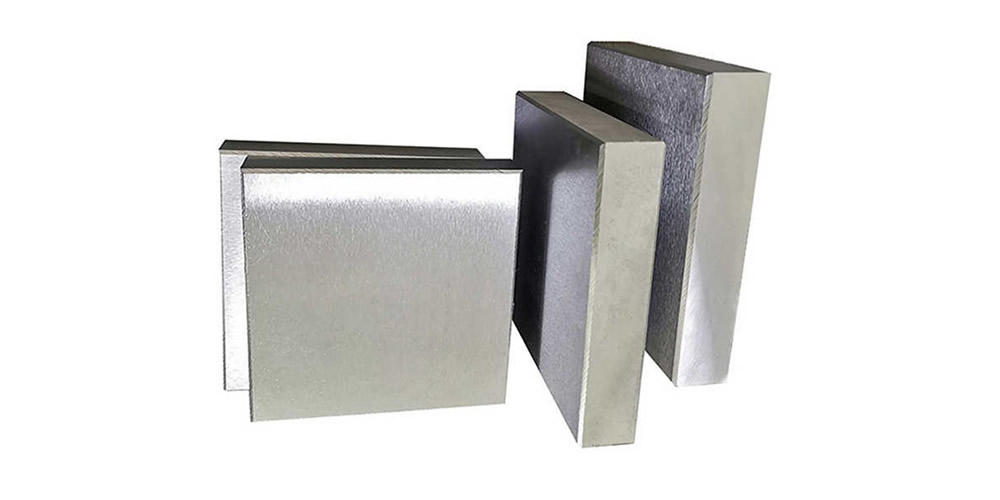
Aluminum

It is the most widely used non-ferrous metal structural material in the industry. As a soft, lightweight and durable metal material, it is often used in aerospace, automobile, machinery manufacturing, shipbuilding and industrial development. The customized aluminum products processed by DADESIN have a wide range of appearance and color options and a complete range of surface treatments, which can meet the needs of different industries.

Aluminum

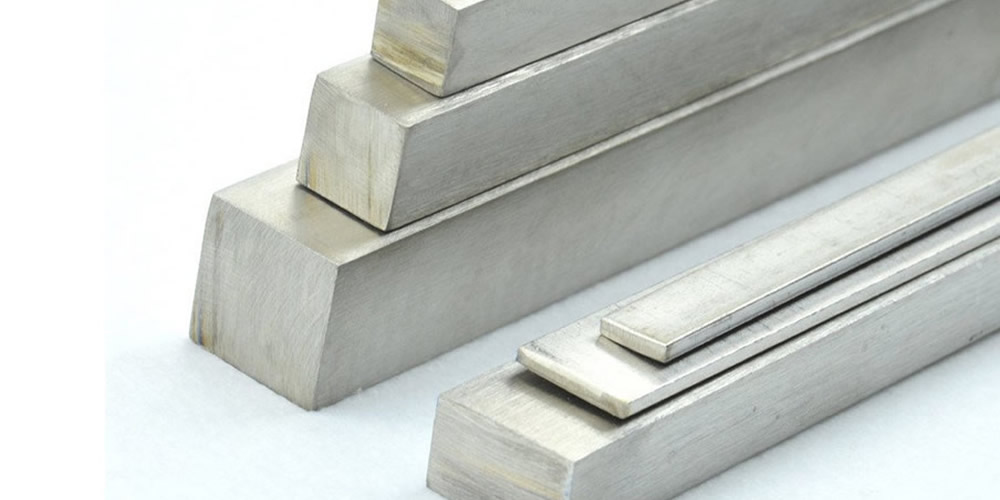
Stainless Steel

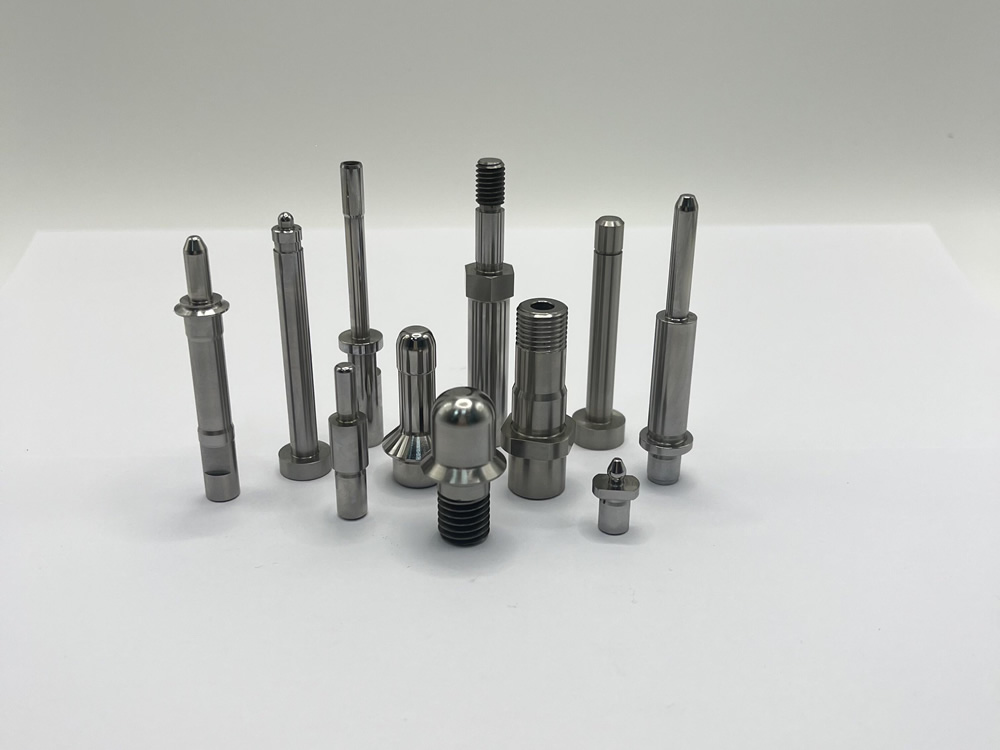
Stainless steel has the characteristics of corrosion resistance, high temperature resistance and ultra-low temperature resistance.It has a wide range of applications and can be used to manufacture medical equipment, auto parts, industrial products, etc. DADESIN can provide a variety of stainless steels such as 201, 202, 303, 304, 316, 4130, 4140.

Stainless Steel

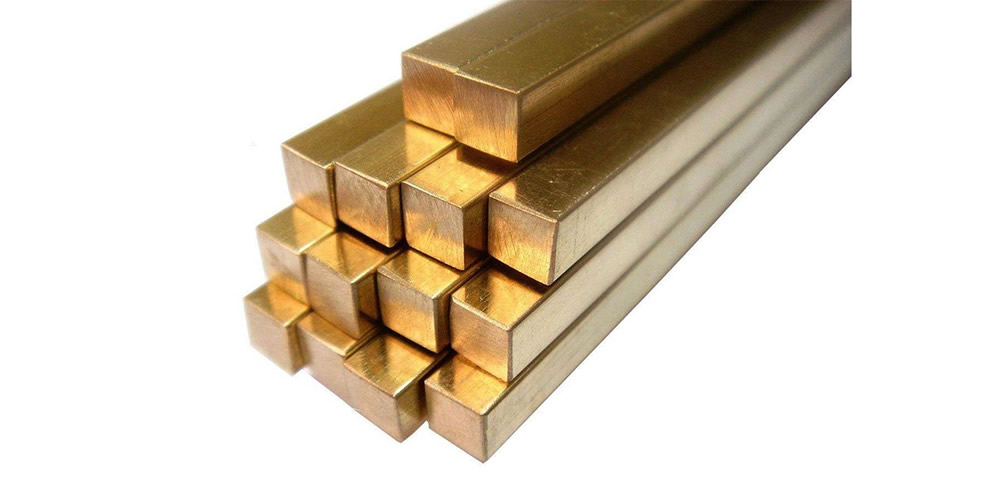
Brass

Brass is an alloy of copper and zinc. It has high strength and excellent machinability and wear resistance. The surface of brass will gradually oxidize and turn black in the air, but it will form an oxide film to protect the interior. It is often used in the manufacture of precision instruments, ship parts, auto parts, medical accessories, electrical accessories, industrial products and other precision copper parts.

Brass

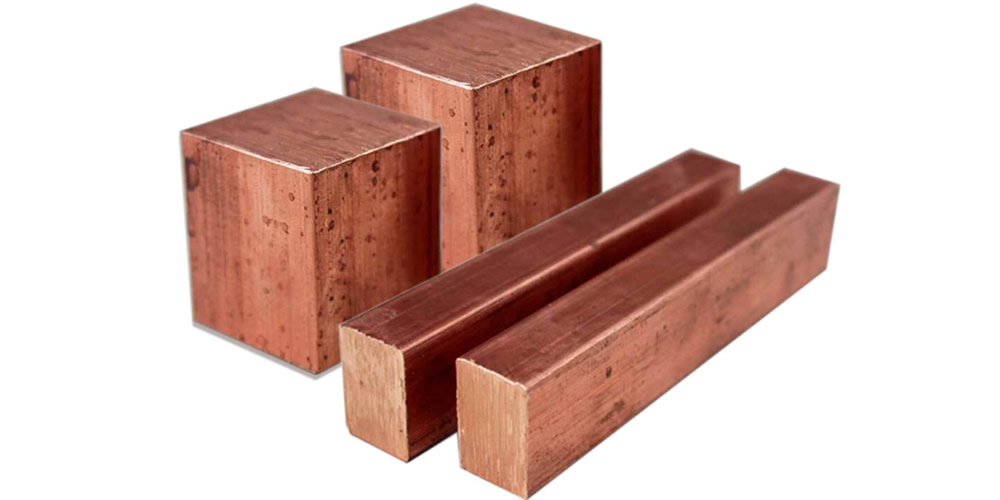
Copper

Copper, also known as red copper, has good electrical and thermal conductivity, ductility and corrosion resistance, and good plastic deformation. It is a metal material commonly used in the production of generator sets, power switch devices, electrical appliances, shielding covers, chemical industry, etc.

Copper

Titanium

Titanium (titanium alloy) is a structural metal with light weight, high strength, good corrosion resistance and high heat resistance. Commonly used in automotive industry, aviation fasteners, turbine blades, engine parts, sports equipment, marine, environmental protection and other applications.

Titanium

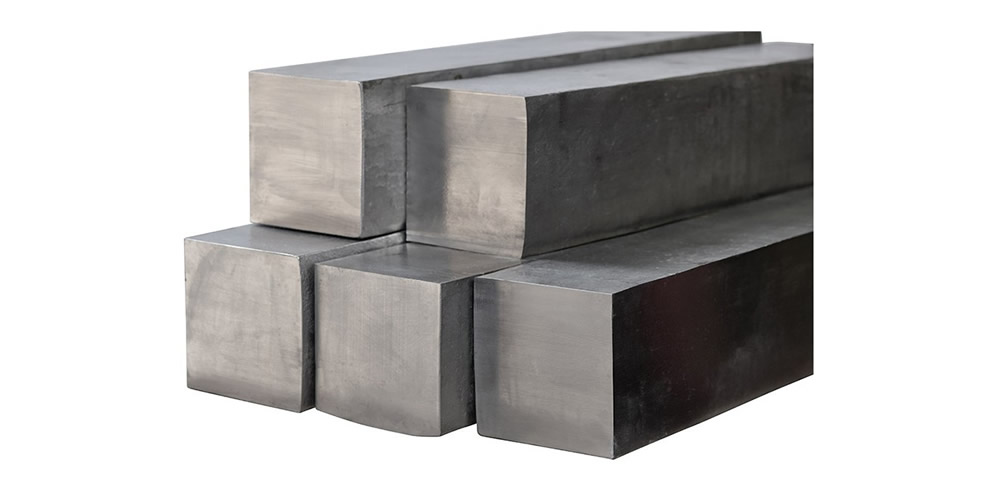
Magnesium

It has the characteristics of high strength, high rigidsity, low density and wear resistance. It is the lightest metal among practical metals, it has high stability, high dimensional accuracy, and can be machined with high precision.

Magnesium

Case Studies

Request a Free Rapid Prototyping Quote Now

Our improved algorithm reduces Rapid Prototyping quote time by 90%, with most quotes delivered within 24 hours, depending on project details. Your customer support partner will contact you directly with your Rapid Prototyping quote to ensure

You have received an offer and answered any questions you may have about your options.

Request a Free Rapid Prototyping Quote Now

Rapid Prototyping Services FAQs

What is Rapid Prototyping?

Rapid prototyping is a fast manufacturing process that quickly creates physical prototypes from 3D CAD data, using technologies like 3D printing, CNC machining, or injection molding. It enables designers to test and refine concepts before full-scale production, reducing development time and costs.

Rapid prototyping works by converting 3D CAD designs into physical parts using layer-by-layer additive manufacturing (like 3D printing) or subtractive methods (like CNC machining). The process typically involves: 1) Digital model preparation, 2) Machine setup, 3) Automated fabrication, and 4) Post-processing – delivering functional prototypes in hours/days instead of weeks.

Rapid prototyping offers fast turnaround, cost savings, and design flexibility for validating concepts, but may face limitations in material options, mechanical properties, and surface finish compared to traditional manufacturing methods, making it ideal for prototyping but less suitable for large-scale production without additional refinement.

Rapid prototyping is widely used across industries for functional testing, design validation, and low-volume production. Key applications include aerospace components, medical device prototypes, automotive parts testing, consumer product design, and even architectural models. It enables engineers to verify form, fit, and function early in development while allowing for rapid design iterations before committing to expensive production tooling.

Tongyong Hardware

Tell Us Your Requirements

For more information about TOPFIRE’s electronic manufacturing services, including product design, PCB assembly, system integration, and production support, please feel free to contact our team.
Download Products Brochure

This site uses cookies

We use cookies to collect information about how you use this site. We use this information to make the website work as well as possible and improve our services.more details